Bunnyheart: A Handwritten Font for Modern Web Design
I was staring at a blank hero section on my screen, trying to nail the vibe for a new boutique online store. The client wanted something warm, personal, and inviting, but not childish. I had tried three different sans serif fonts, and while they were clean, they felt cold. They lacked that human touch that makes a small business feel like a community. That is when I decided to test Bunnyheart, an incredibly unique handwritten font that promised to bridge the gap between professional digital design and genuine craftsmanship.
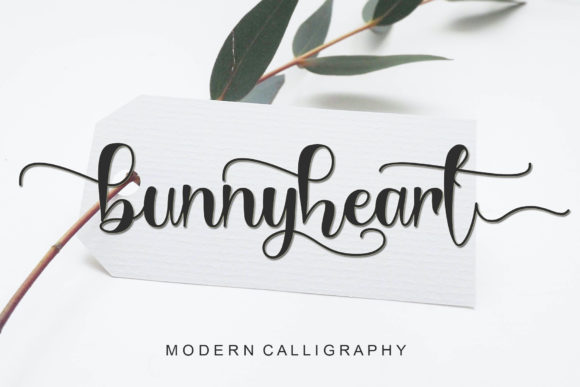
As a web designer, I know that typography is often the first thing a user processes before they even read a single word. It sets the emotional tone of the entire site. When I loaded Bunnyheart into my browser preview, the difference was immediate. Unlike many script fonts that look messy or illegible on smaller screens, this typeface maintained its clarity while delivering a distinct personality. It felt like a note written by a friend, yet it possessed the structural integrity needed for a polished brand identity.
Finding the Right Mood in a Hero Section
The primary challenge with decorative display fonts is ensuring they don't overwhelm the layout. I placed Bunnyheart over a soft, autumnal background image for the hero banner. The goal was to make the headline "Welcome to Our Craft" pop without fighting the visual elements behind it. What struck me immediately was the versatility of the strokes. The curves are organic and fluid, mimicking real penmanship, which instantly communicates authenticity.
In the context of a landing page, the hero section is your strongest conversion tool. If the headline feels generic, users bounce. By using Bunnyheart here, the site felt less like a corporate template and more like a curated experience. The font's inherent warmth aligns perfectly with brands selling handmade goods, coaching services, or creative courses. It tells the visitor, "This was made by a person, for you," which is a powerful psychological trigger in e-commerce and service-based websites.
Readability and Visual Hierarchy on Mobile
One of my biggest concerns when testing any script amp category font is mobile responsiveness. A beautiful font on a desktop can turn into an unreadable blob on a smartphone. I resized the browser window to simulate various mobile devices, checking how Bunnyheart performed at different viewport widths. To my relief, the letterforms remained distinct. The x-height is generous enough to ensure legibility even at smaller sizes, provided you adjust the line height correctly.
However, as with any handwritten font, there are limits. I found that Bunnyheart shines brightest in short phrases, headlines, and call-to-action buttons rather than long paragraphs of body copy. In my mockup, I used it for the main navigation labels and the primary button text. This created a clear visual hierarchy. The eye is drawn to the handwritten elements first, guiding the user through the intended path, while the rest of the content remains accessible. This approach balances aesthetic appeal with usability, ensuring that the design doesn't sacrifice function for form.
Strategic Pairing for a Cohesive Brand
A common mistake in web design is letting a decorative font clash with the supporting typeface. To get the most out of Bunnyheart, I paired it with a clean, geometric sans serif font for the body text. This combination is a staple in modern typography because it creates a pleasing contrast. The playful nature of the script font is grounded by the stability of the sans serif, resulting in a layout that feels both friendly and trustworthy.
For a coaching website or a portfolio homepage, this pairing works exceptionally well. Imagine a blog header where the article title is in Bunnyheart, capturing attention with its artistic flair, while the excerpt and body text are in a neutral font for easy scanning. This strategy improves user engagement by making the content digestible. It also reinforces brand consistency; the font becomes a signature element that users associate with the brand across different touchpoints, from the website to social media graphics and digital ads.
Testing Across Different Digital Assets
Beyond the website itself, I explored how Bunnyheart could integrate into a broader digital brand kit. I tested it on a product landing page for a seasonal campaign. The font's ability to convey a specific mood—warmth, creativity, and care—made it perfect for promotional banners. I also checked its potential for logo design within the site's branding assets. While a full logo might require custom kerning, using Bunnyheart for the tagline or accent text in the header added a layer of sophistication that standard fonts couldn't achieve.
When working on a course sales page, the font helped break up the monotony of dense information. Used sparingly for section dividers or key benefit statements, it kept the user interested. The key is restraint. Overusing a script font can make a site feel cluttered and amateurish. By treating Bunnyheart as an accent—a highlighter for the most important messages—I ensured it enhanced the overall user experience rather than detracting from it.
Technical Considerations for Web Implementation
Before finalizing the design, I always check the technical specifications of the font files. For Bunnyheart to work seamlessly on the web, it needs to be available in optimized webfont formats like WOFF2. This ensures fast loading times, which is critical for Core Web Vitals and search engine ranking. Slow-loading fonts can ruin the performance of even the best-designed site, causing users to leave before the page renders.
I also reviewed the licensing terms. As a commercial font, it is essential to have the correct license for use on client projects, online stores, and public-facing websites. Using a font without the proper commercial rights can lead to legal issues down the line. Fortunately, Bunnyheart offers clear licensing options for designers and entrepreneurs. Additionally, checking for multilingual support and alternate characters is crucial if the target audience is global or if the brand requires specific stylistic variations.
In conclusion, integrating Bunnyheart into a web project transformed a standard layout into a memorable digital experience. It proved that a well-chosen handwritten font can elevate a brand's voice, improve visual hierarchy, and connect emotionally with visitors. Whether you are building a boutique shop, a coaching platform, or a creative portfolio, this font offers the perfect blend of artistry and functionality. By respecting its limitations and pairing it wisely, you can create a website that feels truly human in an increasingly digital world.